
Capturing What the Personnel File Never Included
A Practitioner Narrative Method for Preserving Institutional Knowledge
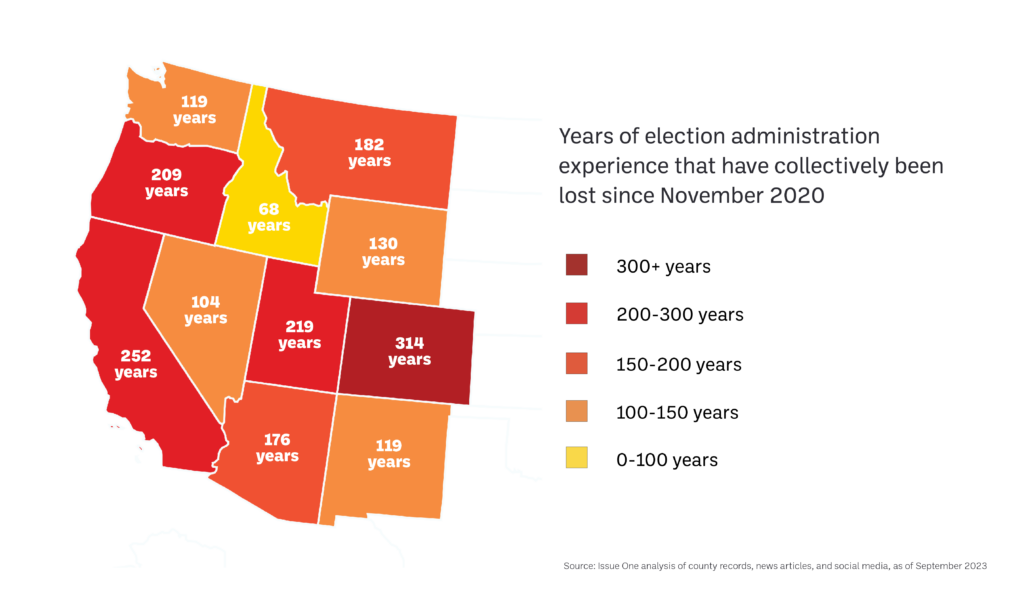
Source: J. Ferrer, D. Thompson, and R. Orey. “Figure 10: Local Election Official Turnover by State, 2020-2024.” Bipartisan Policy Center.
Eight Steps to Transform Experience into Transferable Knowledge
Remember → Describe → Verify → Analyze →
Expand → Differentiate → Validate → Document
-
Every formal record of a practitioner's tenure — evaluations, performance plans, exit paperwork — captures none of the interpretive knowledge that made them effective: what they learned to read in a room, what they flagged and couldn't act on, what they built that outlasted their tenure.
Standard exit interviews arrive too late and ask for a summary rather than the scene. Direct questions like "what did you learn?" invite compression into generality and interpretive knowledge is lost.
-
Not an exit interview, which typically arrives too late and asks for summary rather than scene.
Not a survey, which cannot follow an unexpected thread the way a real conversation can.
Not therapy, though it can surface material with real emotional weight, and the facilitator should treat what surfaces with care without overstepping into a clinical role.
Eight Steps to Transform Experience into Transferable Knowledge'
Supporting Materials
Bipartisan Policy Center’s Election Official Turnover Rates through the 2024 Election
The sharing of election officials' stories is essential in promoting transparency, accountability, and public trust in the electoral process, ultimately contributing to the preservation and strengthening of democracy.
1. Recall a specific moment.
Start with one ordinary event—a conversation, meeting, phone call,document, or decision. It doesn't need to seem significant.
2. Describe what happened.
Recount the event objectively. Who was involved? What happened? What was said? Focus on the facts before drawing conclusions.
3. Verify the details.
Confirm the memory with records, documents, emails, or other evidence whenever possible. Ensure the account is accurate and reliable.
4. Identify the lesson.
Ask what this experience demonstrates. What broader principle,process, challenge, or best practice does it illustrate?
5. Capture related experiences.
If the memory leads to other relevant examples, record them as well. Together, they may reinforce or expand the lesson.
6. Separate legacy from innovation.
Identify what was inherited from predecessors and what was developed or improved over time. This preserves organizational history while recognizing innovation.
7. Validate the insight.
Consider whether the lesson applies broadly or if there are exceptions. Refine the conclusion to ensure it is balanced and credible.
8. Document and share.
Turn the experience into a resource others can use—a procedure,case study, best practice, checklist, training guide, or after-reaction.
SAMPLE
1. Recall a specific moment. Start with one ordinary event—a conversation, meeting, phone call,document, or decision. It doesn't need to seem significant.
I remember being shocked when I learned from a coworker that a voter urinated on themselves while waiting in line to vote.
2. Describe what happened. Recount the event objectively. Who was involved? What happened? What was said? Focus on the facts before drawing conclusions.
During 2020, site hosts of voting locations were hesitant about opening their doors to serve as voting locations because of COVID-19. The location had not agreed to open bathrooms, only the voting room so it was locked. There were levels of bureaucracy and initial hesitation to open bathrooms because that meant additional staff and resources needed for cleaning.
3. Verify the details. Confirm the memory with records, documents, emails, or other evidence whenever possible. Ensure the account is accurate and reliable.
The incident was logged as a ticket in our election management system and can be confirmed by other election workers who served during that period. It can also be confirmed with the site host.
4. Identify the lesson. Ask what this experience demonstrates. What broader principle,process, challenge, or best practice does it illustrate?
Voting site agreements need to explicitly include access to bathrooms, which had been taken for granted in the past.
5. Capture related experiences. If the memory leads to other relevant examples, record them as well. Together, they may reinforce or expand the lesson.
We implemented this change immediately and contacted all other voting locations to specify bathroom access.
6. Separate legacy from innovation. Identify what was inherited from predecessors and what was developed or improved over time. This preserves organizational history while recognizing innovation.
We implemented this change immediately and contacted all other voting locations to specify bathroom access.
7. Validate the insight. Consider whether the lesson applies broadly or if there are exceptions. Refine the conclusion to ensure it is balanced and credible.
What human needs might voters have while waiting in line to cast a ballot?
8. Document and share. Turn the experience into a resource others can use—a procedure, case study, best practice, checklist, training guide, or after-reaction.
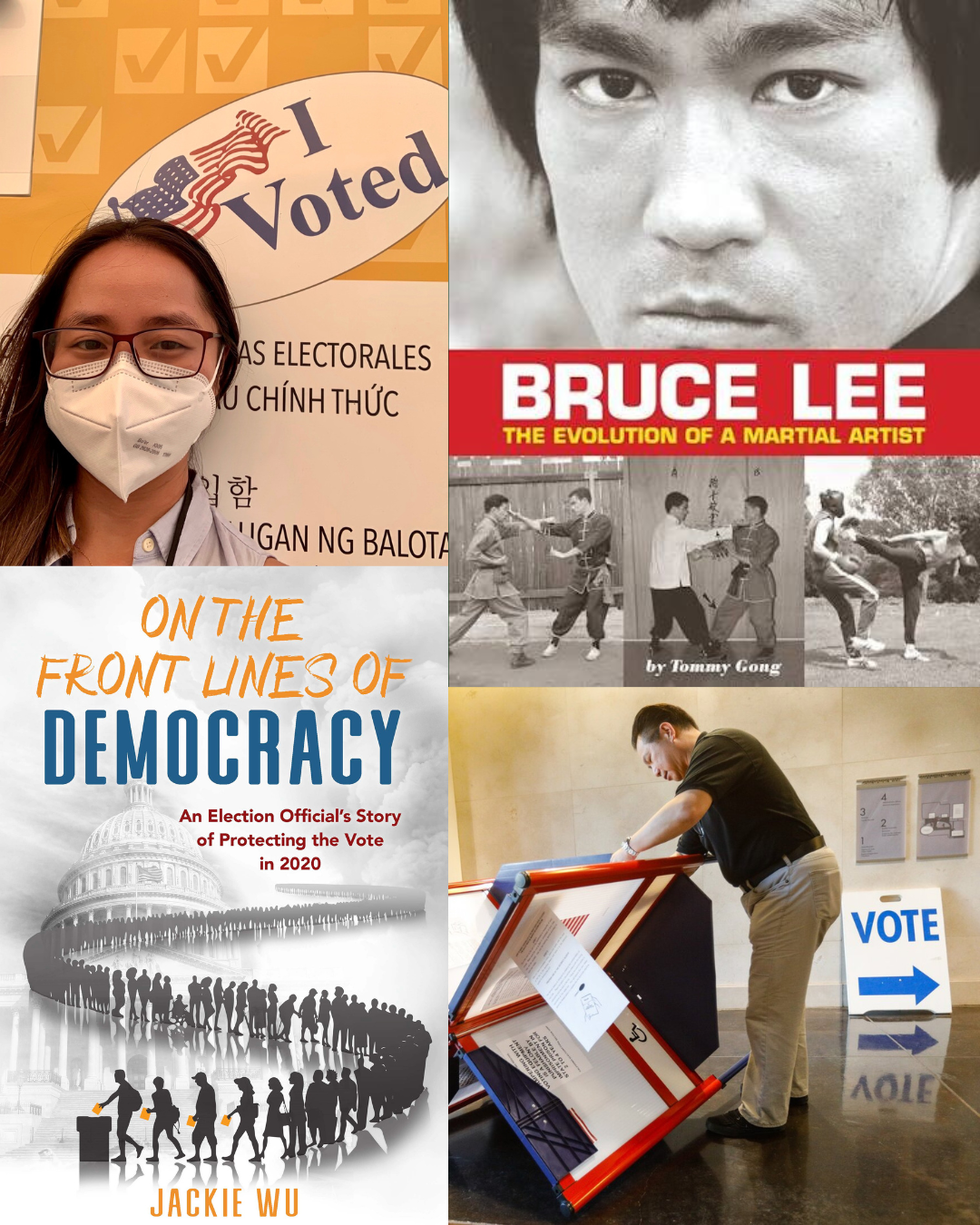
This experience is documented in Jackie Wu’s book, On the Front Lines of Democracy: An Election Official’s Story of Protecting the Vote in 2020
Contact us
Tommy Gong, County Clerk, Lane County, OR
Also Served as a Former Election Official in Contra Costa County, San Luis Obispo County, Stanislaus County, CA
Author, Bruce Lee: The Evolution of a Martial Artist
Tommy.Gong@lanecountyor.gov
Jackie Wu, Founder & President, J Wu Consulting
Former Election Official in Orange County, CA
Author, On The Front Lines of Democracy: An Election Official’s Story of Protecting the Vote in 2020